

Recipe control Batch costing

Dyehouse operating guide

Recipe-led dyeing without batch blind spots

Dyeing ERP helps textile processors control lab recipes, dyeing job cards, chemical issue, machine sequence, shade approval, reprocess decisions, and batch-wise costing in one workflow.

Dyeing teams do not lose money only when a shade fails. They lose it when recipes are copied manually, chemical issue is detached from the job card, machine sequence is unclear, reprocess is invisible, and batch cost is calculated after the decision window has passed.

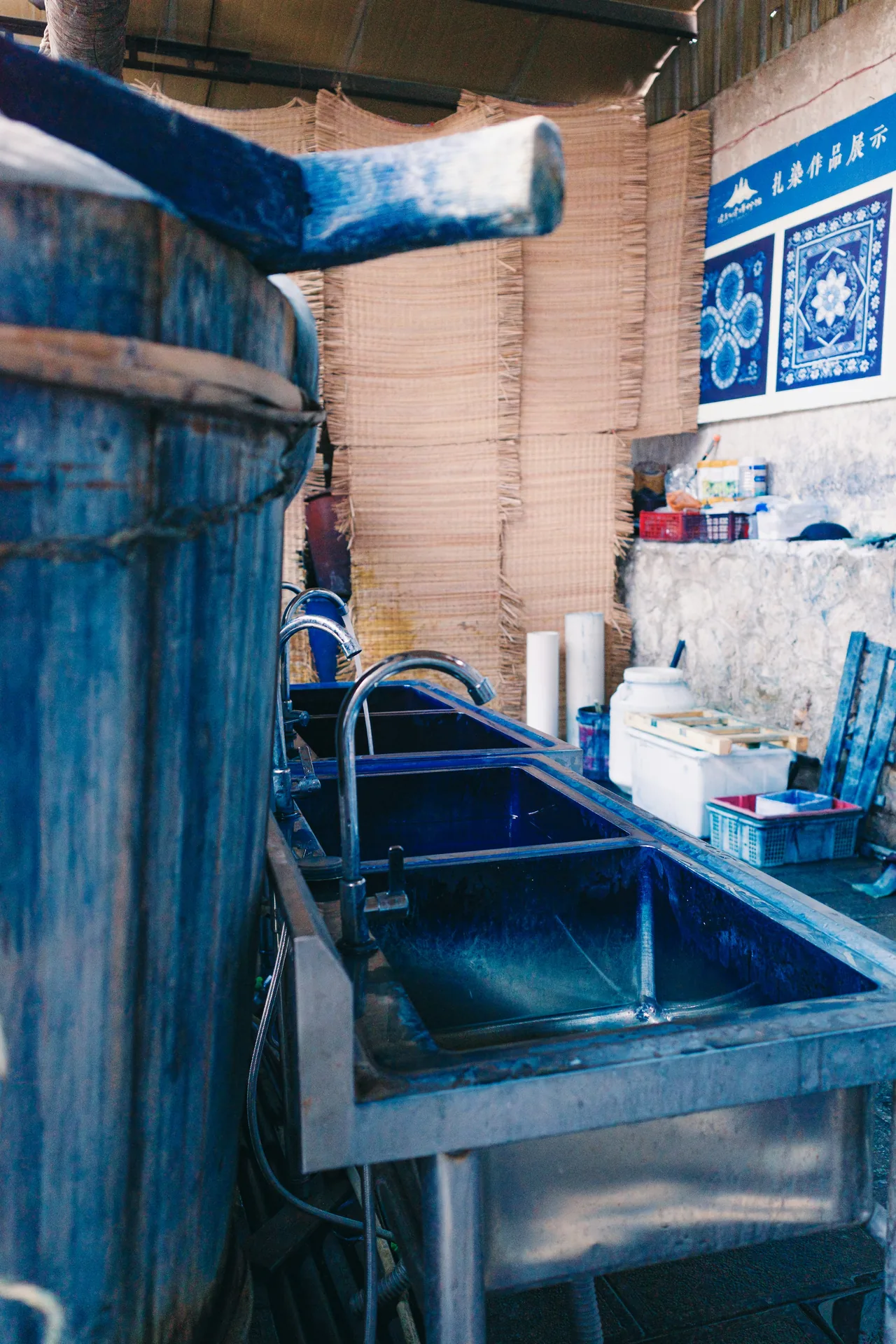
Worker dyeing fabric in a textile workshop

DJC-4821

Reactive navy batch

lab approved

Where dyeing control breaks

Shade repeatability needs more than a saved formula

A recipe is only useful when it is tied to fabric, weight, machine, liquor ratio, process route, chemical issue, lab approval, operator action, and quality release. ERP should preserve that complete batch memory.

R

Recipe versions should be controlled, not copied

A dyeing ERP workflow should preserve approved lab dips, recipe versions, fabric class, shade references, chemical percentages, and scaled quantities. When operators start from an approved version, repeat shade lots become easier to audit and correct.

Chemical issue needs batch accountability

Issue dye, salt, soda, auxiliaries, and finishing chemicals against the dyeing job card so consumption, variance, and reorder risk remain visible.

Machine route should be explicit

Jet, soft-flow, jigger, hydro, dryer, stenter, compaction, and finishing stages should move as a visible sequence.

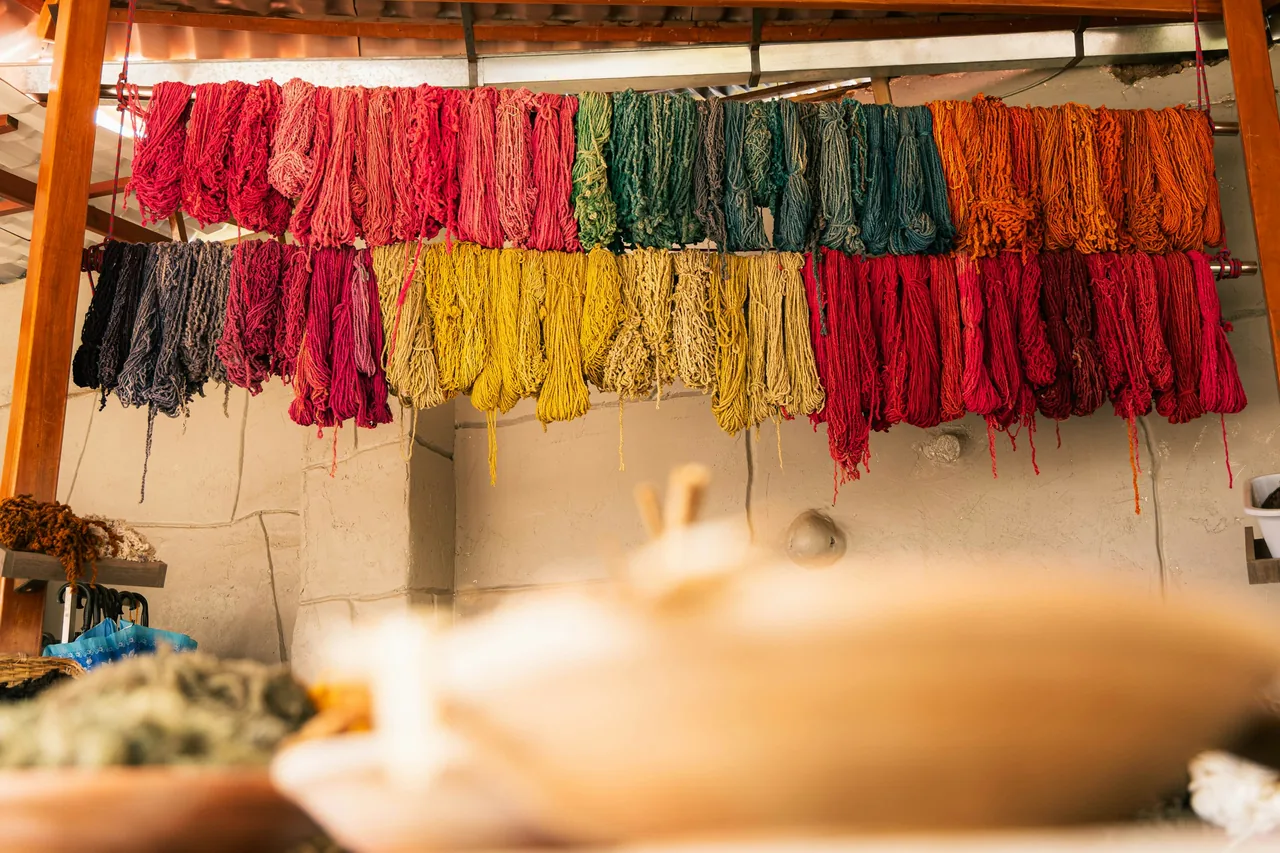
Colorful yarns drying on racks indoors

Quality release should include the reason, not only the result

Shade approval, wash fastness, rubbing, shrinkage, GSM, hand feel, and customer-specific checks should be recorded with pass, hold, reprocess, or downgrade decisions. This makes quality a usable production signal, not only a final inspection note.

Batch route

The dyehouse workflow ERP should make visible

The strongest dyeing systems connect lab, stores, production, quality, costing, and dispatch without forcing teams to rebuild the batch story after the job is complete.

01

Lab dip

Create and approve the shade reference, recipe version, and customer standard.

02

Dyeing job card

Attach fabric lot, batch weight, machine, MLR, route, and due date.

03

Chemical issue

Scale formula, issue material, and capture actual consumption by batch.

04

Machine process

Record load, runtime, temperature, downtime, operator, and process stage.

05

Shade QC

Approve, hold, reprocess, downgrade, or reject with reason codes.

06

Finishing

Track hydro, dryer, stenter, compacting, packing, and final quantity.

07

Cost release

Finalize chemical, power, machine, labor, reprocess, and dispatch cost.

Recipe console

Batch cost while the job is still running

variance
Chemical consumption82%
Shade correction cycles1 of 3
48 active batches
6.7% cost variance

Manager visibility

What a dyeing manager should see before the shift ends

The dashboard should not only show completed production. It should show running batches, chemical shortages, delayed machines, shade holds, reprocess risk, and cost variance before the problem becomes a customer delivery issue.

Recipe

Approved formula, version, MLR, batch weight, and shade standard.

Stores

Chemical issue, lot tracking, reorder status, and consumption variance.

QC

Shade pass, hold, correction, reprocess, rejection, and downgrade reason.

Cost

Chemical, machine, labor, power, reprocess, and finishing cost by batch.

Implementation blueprint

How to phase dyeing ERP without disrupting production

1. Lock recipe and chemical masters first

Standardize dyes, auxiliaries, fabric classes, shade families, process routes, MLR rules, and recipe versioning before dashboard work.

2. Generate the job card before chemical issue

The DJC should become the control point for fabric lot, batch weight, recipe, machine, route, expected output, and issue authorization.

3. Track reprocess as a cost event

Correction, topping, stripping, redyeing, and downgrade decisions should add cost, reason codes, and approval history to the same batch.

4. Review by exception daily

Use chemical shortage, shade hold, delayed machine, excess reprocess, and cost variance views to run the production meeting.

Stacked rolls of colorful fabric

Finished fabric inventory becomes more reliable when each roll keeps its dyeing batch, quality grade, reprocess history, and final cost trail.

Useful KPIs

Metrics worth tracking in dyeing ERP

Area
What to monitor
Why it matters
Recipe
Version, approval, MLR, scaled quantity, shade family
Protects repeatability and reduces manual formula drift.
Chemical
Issue vs formula, variance, reorder, lot traceability
Controls cost and prevents production stoppage.
Quality
Shade pass, hold, reprocess, rejection, downgrade
Turns QC decisions into production and costing signals.
Cost
Chemical, machine, labor, power, reprocess, finishing
Shows margin risk before dispatch and invoicing.

Next step

Map your recipe-to-dispatch workflow before ERP selection

Start with the dyeing job card and follow the batch through lab approval, chemical issue, machine route, shade QC, reprocess, finishing, costing, and dispatch.

Request dyehouse workflow review
Colorful dye vats in a textile workshop