Skip to content

Fastener ERP software with heat-number traceability

eManage Fastener ERP is manufacturing and accounts software for bolt, nut, screw and rivet makers. It controls wire by heat number from coil to carton, heading and threading output by weight and piece, heat treatment and job-work plating with ITC-04, and lot-wise inspection records for OEM customers. It is implemented on site by the eManage team from Ludhiana, Punjab.

Fastener ERP shop floor
  • 500+ plantsRunning eManage since 2000
  • On-site implementationBy our own engineers
  • Support you can callNamed engineer, phone and WhatsApp
  • GST built inE-invoice, e-way bill, ITC-04
THE FLOW

Five steps on eManage, from material in to dispatch

1 WIRE ROD IN2 COLD FORGING3 THREADING4 HEAT & PLATING5 PACKING
PLANT FLOW · FASTENER ERP
  1. 1 WIRE ROD IN Heat no. · coil
  2. 2 COLD FORGING Headers · dies
  3. 3 THREADING Rollers · machines
  4. 4 HEAT & PLATING Job work · lots
  5. 5 PACKING Box · kg · dispatch
eManage CORE ONE DATABASE · GST · PAYROLL
WHY PLANTS SWITCH

Sound familiar? eManage fixes all four

A fastener plant moves material by the tonne and sells it by the thousand pieces. Coils go into headers, lots split across job-work plating and heat treatment, and the OEM wants a PPAP file for every part. This edition keeps the heat number and the piece count on every lot from coil to carton.

Heat number lost after heading

The coil's heat is on the receipt but not on the lot card, so certificates are pieced together.

Plating short by weight

Lots return from platers and heat-treaters lighter, and the count difference is never settled.

Thousands of SKUs by count

Bulk stock in kilos has to become cartons of exact counts by size and finish.

PPAP records on paper

OEM buyers ask for lot-level inspection data that lives in files.

Here is how Fastener ERP handles each of these.

WHAT IT HANDLES

eManage covers every control point of a fastener unit

8 controls that come built into Fastener ERP, each tied to the same lot, order and ledger.

Illustration: control points covered by Fastener ERP

Wire by heat number

Part master & routing

Heading & threading output

Heat treatment batches

Plating & job work

Scrap & rejection

Inspection & PPAP records

GST billing & accounts

FREE DEMO

See eManage Fastener ERP with your own data

Send a few real documents before the call. An implementation engineer who knows your trade runs them through eManage, online or at your plant.

In the demo we show

  • A wire coil received with its heat number
  • Heading, threading and heat-treat lot cards
  • Plating job work by weight and count
  • Certificate printed for a carton

Book a free Fastener ERP demo

Name and phone are enough. We call within one working day.

We call within one working day. Your details are used only to arrange the demo; see the privacy policy.

WHAT CHANGES

What changes on the floor with eManage

The people and machines stay the same. Each movement is recorded where it happens, so the owner reads a screen instead of waiting for the month-end register.

Swipe the table sideways to see the eManage column.

Registers and Excel compared with eManage Fastener ERP
Area Running on registers / Excel Running on eManage Fastener ERP
Wire issue Coil taken from the yard; heat number only on the mill certificate Coil issued to the work order; heat carried on the lot
Production count Weighed at shift end and converted by the clerk Weight captured at the machine; pieces from the part master
Heat treatment Furnace register with no link to the lot Batch records property class and hardness on each lot
Plating Challan book; shortage argued when the plater bills Challan, receipt, shortage and ITC-04 per plater
Inspection file Assembled from loose sheets when the OEM asks Patrol and final results stored per lot; printed on demand
ON THE FLOOR

How eManage Fastener ERP works, stage by stage

Material

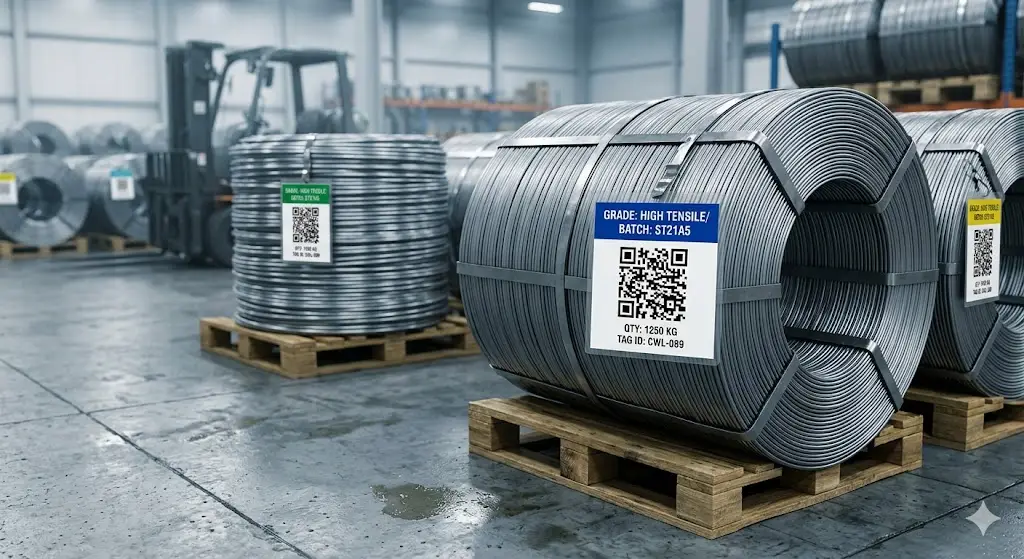
Coil in by heat, lot out by heat

  1. 1

    Coils are received with grade, diameter, heat number and certificate. Incoming inspection accepts the coil before it is issued.

  2. 2

    A work order reserves coils of the right grade and diameter. The lot off the header inherits the heat number.

  3. 3

    Wire issued, pieces produced and scrap are reconciled per lot. Material yield per part is a fact, not an estimate.

Heat number carried from coil to carton
Fastener ERP, Coil in by heat, lot out by heat

Shop floor

Heading, threading, heat treat, plating: one lot card

  1. 1

    Each lot moves on one card through every operation. Heading, trimming, thread rolling and pointing output is counted by weight and converted to pieces.

  2. 2

    Heat treatment batches combine lots in the furnace. Property class and hardness are recorded; plating goes out and returns on a challan.

  3. 3

    Rejection is entered at the operation by reason. The plant knows whether the loss was in heading, threading or at the plater.

Lot card across in-house and outside operations

Fastener ERP, Heading, threading, heat treat, plating: one lot card

Quality & dispatch

Inspection record per lot, packed and billed by count

  1. 1

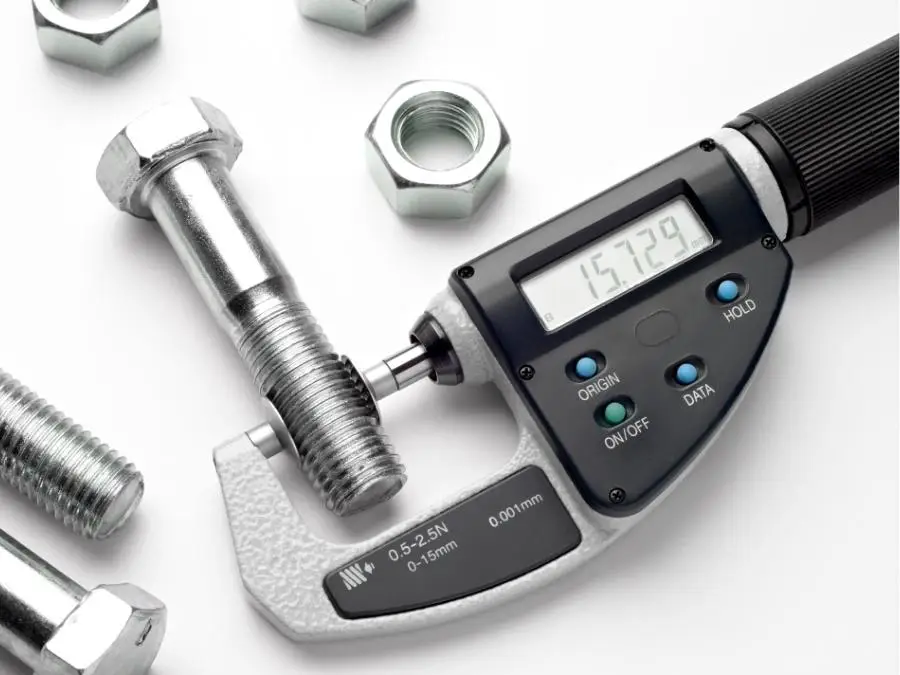
    Patrol and final inspection results are stored on the lot. Thread gauge, tensile, hardness and plating thickness carry the inspector's name.

  2. 2

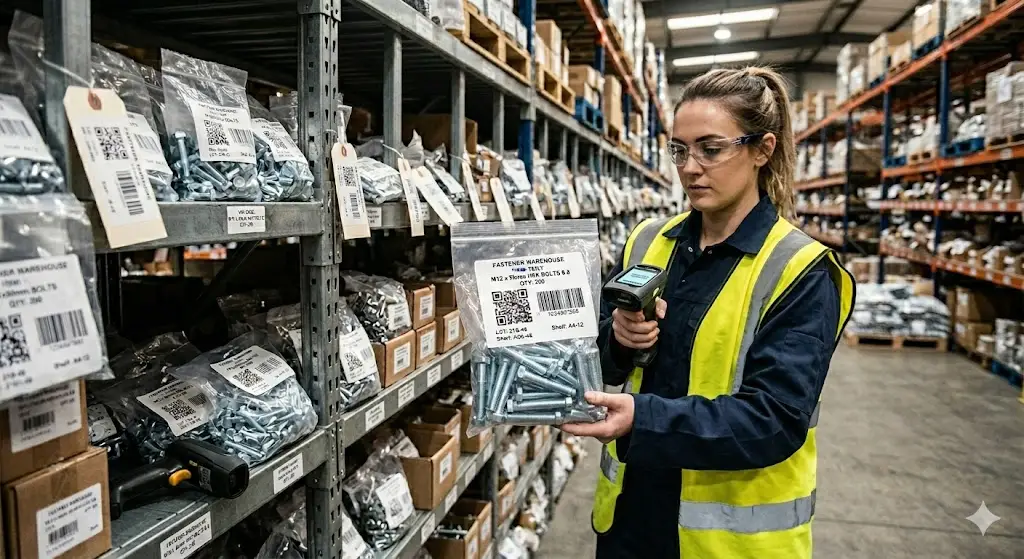
    Cartons are weighed and converted to pieces. Labels carry the part number, lot, heat and quantity the OEM expects.

  3. 3

    Dispatch is made against the OEM schedule line. E-invoice, e-way bill and the test certificate print from the lot.

PPAP-ready lot records and labelled cartons

Fastener ERP, Inspection record per lot, packed and billed by count
REPORTS

eManage reports the owner reads every morning

Built from the floor's own entries, so they are current when you open them, on the desktop or the phone.

Heat-to-carton trace

Every carton linked back to the wire coil and its mill certificate.

Heading and threading output

Pieces and kilos per machine, with die changes.

Heat-treatment batches

Furnace loads, hardness results and the lots they contain.

Plater pending register

Lots at each plater by weight and count, with age.

Scrap and rejection

Rejection by reason, machine and operation.

Cost per thousand pieces

Wire, conversion, treatment, plating and scrap per part.

FIRST 90 DAYS

Your first quarter on eManage

  1. Certificates from lot dataTest and inspection certificates printed, not assembled.
  2. Platers settled by countWeight-to-count conversion and shortages recorded per lot.
  3. Cartons packed to the pieceBulk stock becomes labelled cartons with exact counts.

EMANAGE FASTENER ERP

plants running eManage
500+
industry editions
12
years building one product line
26+
implemented on site by our own engineers
100%
GO-LIVE

eManage goes live in about six weeks, on site

How implementation works
  1. Week 1 Process study
  2. Weeks 2–3 Configuration
  3. Week 4 Data migration
  4. Weeks 4–5 Training by role
  5. Week 6 Go-live on site
  6. After Named support engineer

FAQ

eManage Fastener ERP questions

Something specific to your unit? Ask an implementation lead.

We count by weight. Can the system bill by pieces?

Yes. Each part has a standard weight per thousand pieces. Production and packing are weighed on the scale and converted to pieces, and the invoice is raised in pieces, kilos or both as the customer requires. Scrap weighed at each operation is reconciled against the wire issued to the lot.

How is job-work plating handled for GST?

Lots sent to the plater go on a job-work challan with quantity and heat number. Receipts are matched against it, shortage is tracked per plater, and ITC-04 is prepared from the challans. The plater's bill is checked against the received quantity before it is passed for payment.

Can we import our Tally masters and Excel part lists?

Yes. Party, item and ledger masters with opening balances are imported from Tally, and part masters with weight per thousand and routing are loaded from Excel at go-live. Units that keep Tally for final accounts export sale and purchase vouchers from eManage. The mapping is done on site during implementation.

We have 12 heading machines and 40 people. Is this for us?

Yes. Production can be entered per shift from one or two terminals, and the scale is connected at packing first. Barcode scanners and the eWarehouse app are added as the unit grows. Go-live for a single-plant unit is typically 4 to 6 weeks with on-site implementation from Ludhiana.

What does Fastener ERP cost?

Pricing depends on the number of users, the modules you switch on and whether you run it on the cloud or your own server. It is quoted as a licence plus a one-time implementation fee after a demo on your own mill certificates and lot cards. Call +91 98156 23402 or write to info@emanage.in for a quote.

Can we give the OEM a PPAP file from the system?

The inspection results, heat certificates and lot records that a PPAP submission draws on are stored per lot and printed on demand, including control-plan results from patrol inspection. Document formats specific to each OEM are set up during implementation, so the file is assembled from lot data rather than from loose sheets.

Related: Auto Component ERPeWarehouse appeGate gate-pass app

Fastener ERP demo

Bring a mill certificate and a lot card. We run them on eManage.

We will receive the coil, run the lot through heading to plating and show the inspection record and carton label on eManage.

500+ plants live
12 editions
26+ years