
Textile ERP software, from fibre to finished garment
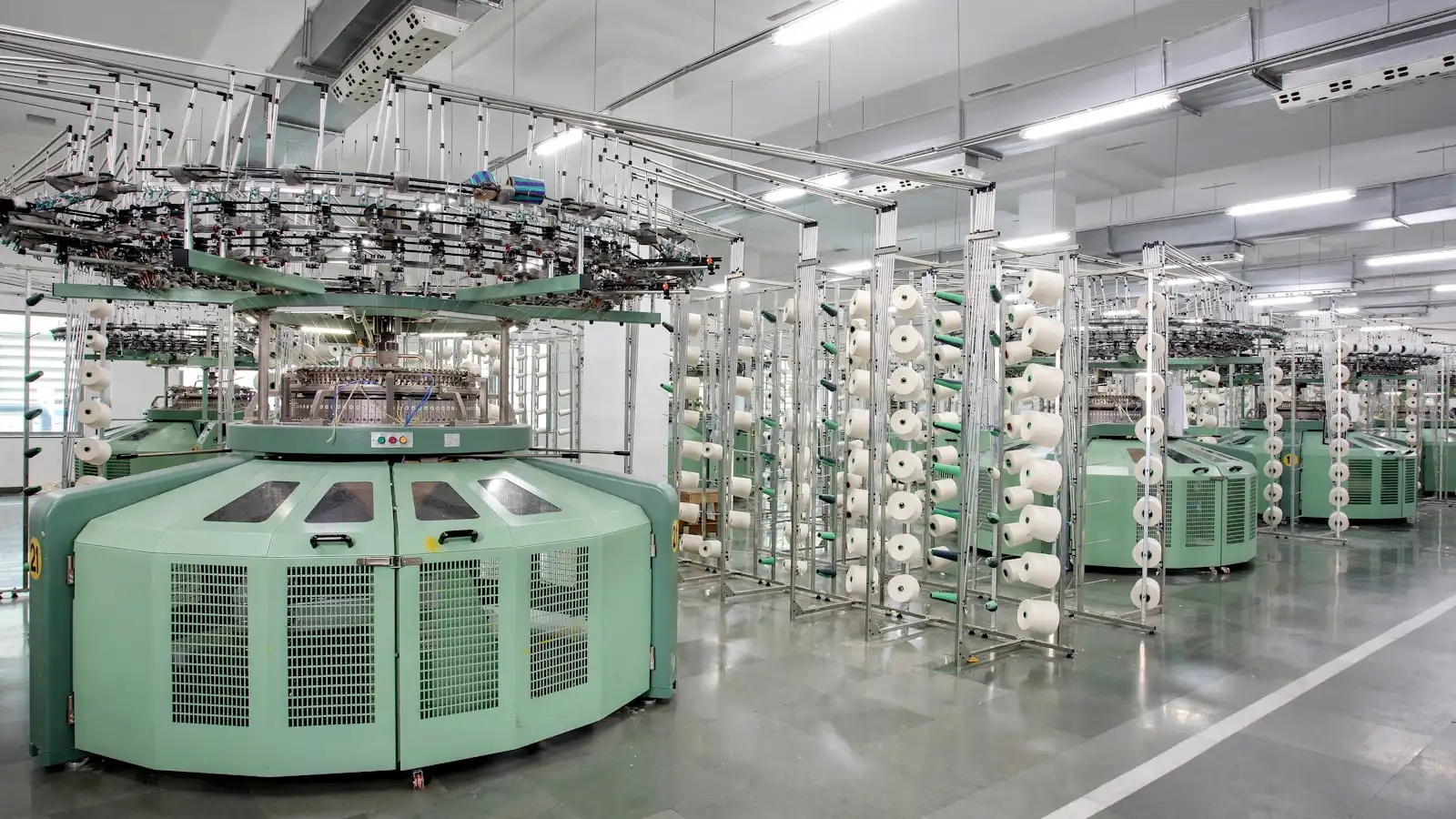
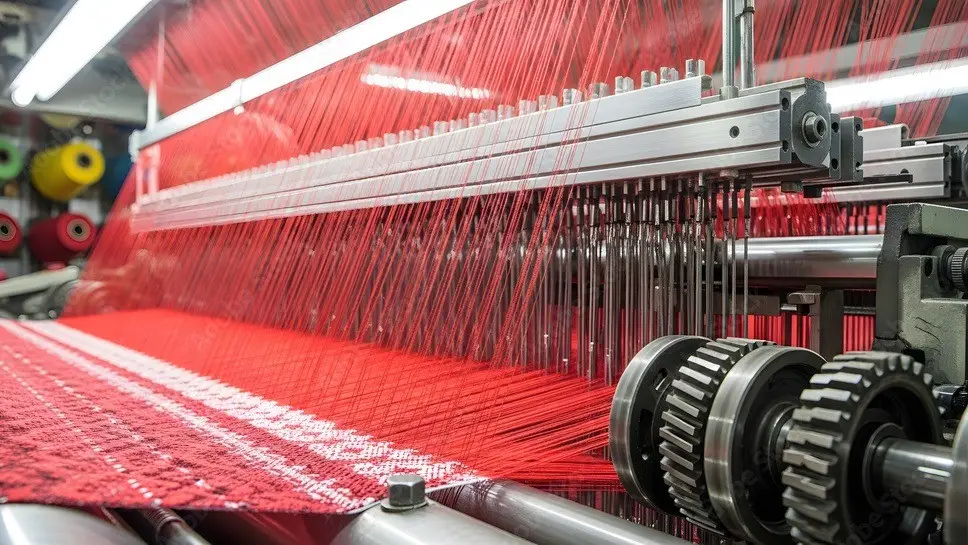
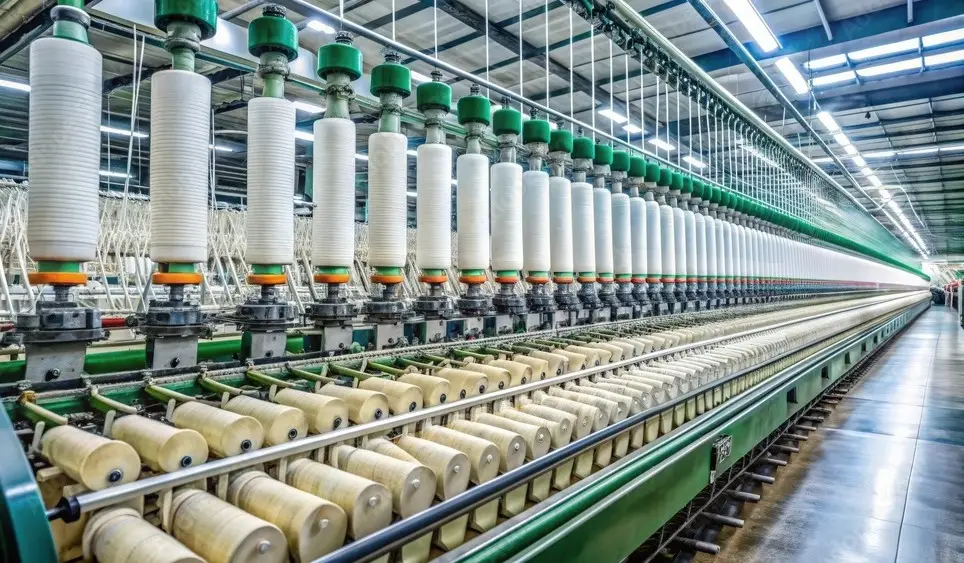
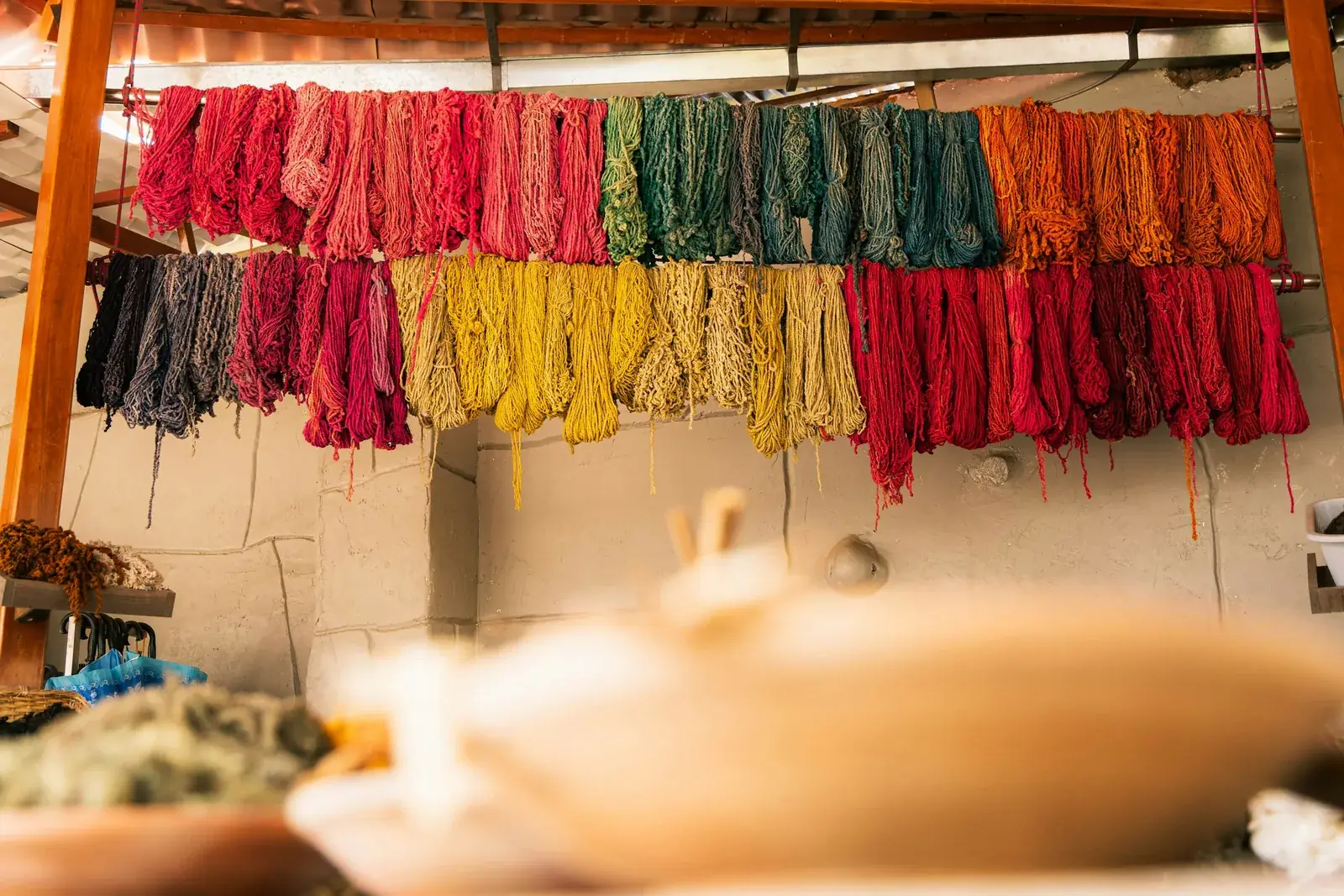
eManage textile ERP software is six industry editions, for spinning, knitting, weaving, dyeing, garment and woolen units, on one database. Each edition already knows its trade's records: mixing and counts, KPOs and roll weights, sort cards and beams, recipes and shade lots, cutting and bundle WIP, blends and hanks. A group that spins, knits, dyes and stitches runs every unit on one system, with job work, GST and piece-rate wages built in.

The textile chain eManage covers
- Fibre Bales, mixing
- Yarn Count, cones
- Fabric KPO, beams, rolls
- Dyeing Recipe, shade lot
- Garment Cut, bundle, pack
- Dispatch Invoice, e-way bill
Six eManage textile editions on one database
Pick the edition for each unit. Units in the same group share masters, stock and accounts.


What a textile ERP has to know
Generic systems count items. Textile units count kilos, metres, pieces and dozens, and every lot has a shade, count or grade that must not be mixed.

Lots, shades and counts
Yarn lot, count, shade and grade carried on stock so the wrong lot never reaches an order.
Weight-based stock
Bags, cones and rolls weighed in and out, with conversions between kilos, metres and pieces.
Job work everywhere
Knitting, dyeing, printing and embroidery processors tracked by challan, with shortage settlement and ITC-04.
Yield and process loss
Input versus output at every process, by order, machine and lot.
Piece-rate wages
Bundle and operation counts that drive both WIP and wages.
Export and GST documents
Packing lists, e-invoices, e-way bills and export documents from the same dispatch.
Generic ERP vs eManage Textile ERP
| Area | Generic ERP | eManage Textile ERP software |
|---|---|---|
| Stock | Quantity by item | By lot, count, shade, roll and rack |
| Units | One unit per item | Kilos, metres, pieces, dozens with conversions |
| Production | Generic work orders | KPO, beam plan, dye batch, cutting, bundle WIP |
| Job work | Treated as purchase or sale | Challans, processor stock, shortage, ITC-04 |
| Quality | Optional checklist | Shade approval, grading, AQL, holds |
| Wages | Monthly salary | Piece-rate from production entries |
eManage capabilities that matter most in textile
Where eManage textile clients work
Ludhiana
Hosiery, knitwear and woolen garments; the largest share of our textile implementations.
ERP software in LudhianaPanipat
Woolen, blanket and home-furnishing weavers, served on site from Ludhiana.
See eManage textile ERP with your own data
Send a few real documents before the call. An implementation engineer who knows your trade runs them through eManage, online or at your plant.
In the demo we show
- A few of your real orders entered as they are
- Stock, production and job work on one record
- The reports the owner reads every morning
- GST invoice, e-invoice and e-way bill from the dispatch
Book a free demo
Name and phone are enough. We call within one working day.
FAQ
Textile ERP software questions
What is textile ERP software?
ERP software built for textile manufacturing, covering yarn, fabric, dyeing and garment processes with lots, shades, counts, job work, yield and piece-rate wages as native records, alongside accounts and GST.
Which textile processes does eManage cover?
Spinning, knitting, weaving, dyeing and processing, garment manufacturing and woolen, through six editions on one database.
Can a composite unit use several editions?
Yes. A group that knits, dyes and stitches runs the Knitting, Dyeing and Garment editions together with shared masters, stock and accounts.
Does it handle job work with knitters, dyers and printers?
Yes. Material is sent on challans by lot, tracked at each processor, received back with shortage measured against allowance, and reported in ITC-04.
How long does a textile ERP implementation take?
Four to six weeks for a single unit, on site, by eManage engineers from Ludhiana. Composite groups take longer because more editions are configured.
Talk to us
Prefer to talk? Call an eManage engineer
Ask about your trade, your documents or the go-live plan. Phone or WhatsApp, on working days.