Skip to content

Woolen ERP software for blending, spinning and shade control

eManage Woolen ERP is production and accounts software for wool and acrylic yarn, shawl and blanket units. It controls blend batches from fibre lots, carding and spinning by lot and count, hank dyeing and weaving by shade lot, and job-work processors with ITC-04. It is implemented on site by the eManage team from Ludhiana, Punjab.

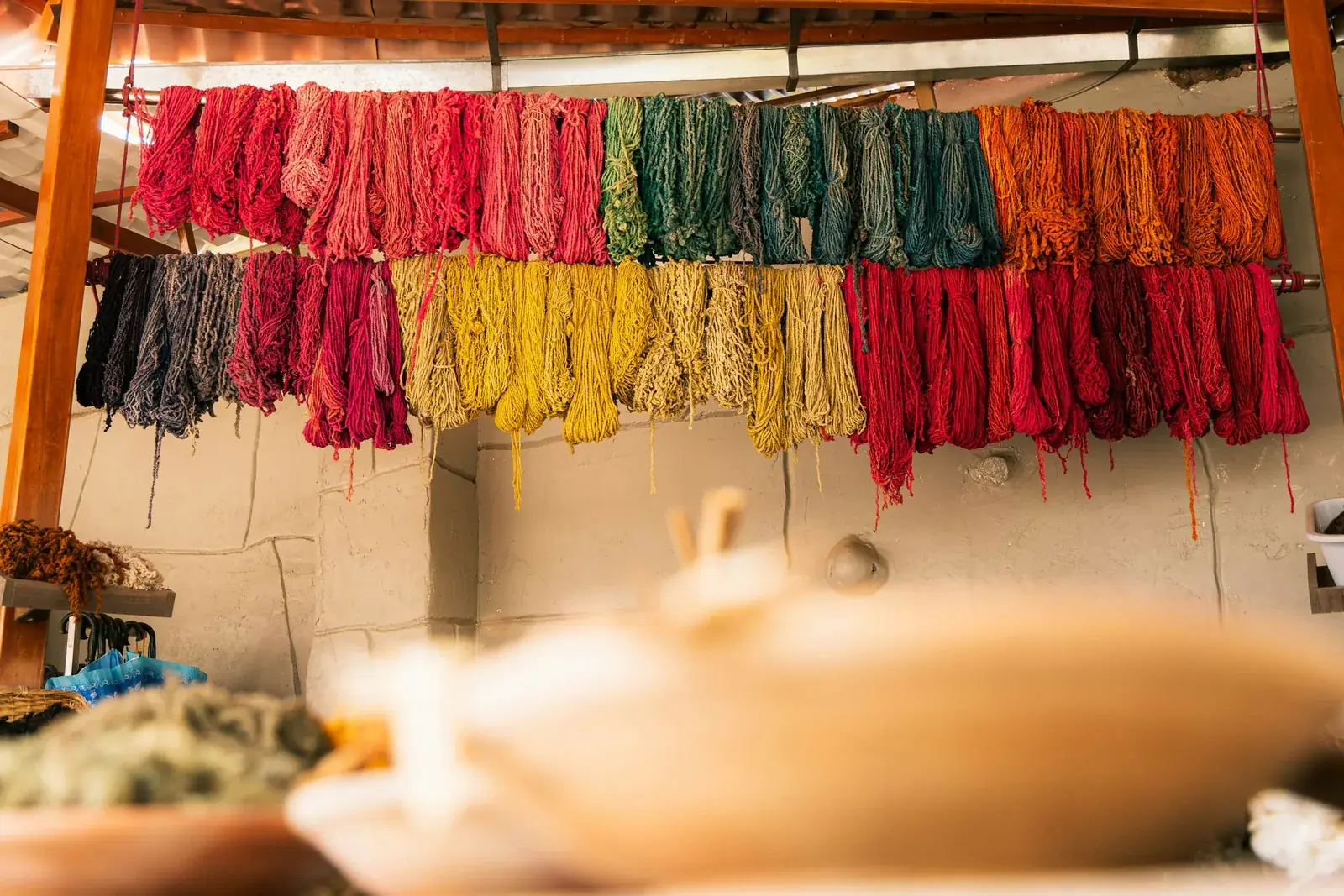
Woolen ERP shop floor
  • 500+ plantsRunning eManage since 2000
  • On-site implementationBy our own engineers
  • Support you can callNamed engineer, phone and WhatsApp
  • GST built inE-invoice, e-way bill, ITC-04
THE FLOW

Five steps on eManage, from material in to dispatch

1 FIBRE IN2 BLENDING3 SPINNING4 WEAVING / KNIT5 FINISHING OUT
PLANT FLOW · WOOLEN ERP
  1. 1 FIBRE IN Wool · blends
  2. 2 BLENDING Dye · carding lot
  3. 3 SPINNING Mules · frames
  4. 4 WEAVING / KNIT Shade control
  5. 5 FINISHING OUT Blanket · shawl · dispatch
eManage CORE ONE DATABASE · GST · PAYROLL
WHY PLANTS SWITCH

Sound familiar? eManage fixes all four

Woolen units deal in blends, seasons and job work. Fibre is bought by the lot, blended by the batch, spun to a count, dyed in hanks and often woven or knitted outside. This edition keeps the lot number intact through every one of those hands.

Blends recorded loosely

Fibre lots and percentages in each blend are noted on paper and lost by the time the yarn is dyed.

Shade lots mixed in weaving

Hanks from different dye lots reach the same order and show up as shade variation.

Processors settled on memory

Outside dyers and spinners return less weight than issued, with no record per lot.

Season planning by feel

Fibre and yarn requirements for the season are estimated from last year's sales.

Here is how Woolen ERP handles each of these.

WHAT IT HANDLES

eManage covers every control point of a woolen unit

8 controls that come built into Woolen ERP, each tied to the same lot, order and ledger.

Illustration: control points covered by Woolen ERP

Fibre lots & grading

Blend batches

Carding & spinning by lot

Hank dyeing & shade lots

Weaving & knitting orders

Job-work processors

Season planning & shortage

GST billing & accounts

FREE DEMO

See eManage Woolen ERP with your own data

Send a few real documents before the call. An implementation engineer who knows your trade runs them through eManage, online or at your plant.

In the demo we show

  • A blend batch from your fibre lots
  • Hank dyeing with shade lots
  • Yarn sent to a processor and returned short
  • Season requirement for your orders

Book a free Woolen ERP demo

Name and phone are enough. We call within one working day.

We call within one working day. Your details are used only to arrange the demo; see the privacy policy.

WHAT CHANGES

What changes on the floor with eManage

The people and machines stay the same. Each movement is recorded where it happens, so the owner reads a screen instead of waiting for the month-end register.

Swipe the table sideways to see the eManage column.

Registers and Excel compared with eManage Woolen ERP
Area Running on registers / Excel Running on eManage Woolen ERP
Blend batch Recipe in the in-charge's notebook; fibre lots not recorded Batch issued from named fibre lots; yield per batch
Lot through outside processes Lot number lost at the first job-work challan Lot carried on every challan, receipt and finished piece
Hank dyeing Sent weight and returned weight never compared Shade lot with sent, returned and shortage per dyer
Season orders Delivery status asked over the phone Yarn, dyeing and finishing status per order against the date
Processor bills Paid as presented Checked against received weight and the agreed allowance
ON THE FLOOR

How eManage Woolen ERP works, stage by stage

Blend & card

The blend is a batch, and the batch is a lot

  1. 1

    Fibre lots are received with grade and weight. A blend batch picks lots in the recipe ratio and issues them as one batch.

  2. 2

    Carding and spinning output is entered by machine and shift. Yield from fibre to yarn is known the day the batch finishes.

  3. 3

    Count, hank and strength checks sit on the lot. A customer complaint traces to the blend and the bales.

Blend-wise yield and lot traceability

Woolen ERP, The blend is a batch, and the batch is a lot

Dyeing & weaving

Hanks to shade lots, shade lots to pieces

  1. 1

    Yarn goes to hank dyeing by shade lot. In-house or job work, the returned weight is matched against the sent weight.

  2. 2

    Weaving and knitting orders draw dyed yarn by shade lot. Each shawl, blanket or garment piece is tied to its order and machine.

  3. 3

    Finishing passes are recorded per lot. Milling, raising and pressing close, and finished pieces enter stock by design, colour and size.

Shade-lot control through dyeing and weaving

Woolen ERP, Hanks to shade lots, shade lots to pieces

Job work & season

Settle outside processors on returned weight, not on memory

  1. 1

    Every outside process goes on a challan with lot and weight. Receipts close the challan and update the lot.

  2. 2

    Shortage per processor is compared with the agreed allowance. The processor's bill is checked against it before payment.

  3. 3

    Season orders are tracked against delivery dates. Yarn, dyeing and finishing status per order builds the dispatch plan on facts.

Processor-wise shortage and ITC-04

Woolen ERP, Settle outside processors on returned weight, not on memory
REPORTS

eManage reports the owner reads every morning

Built from the floor's own entries, so they are current when you open them, on the desktop or the phone.

Blend register

Fibre lots, grades and percentages in every blend batch.

Yield by blend

Fibre in vs yarn out through carding and spinning.

Shade-lot control

Dye lots, hank counts and the orders they went to.

Processor statement

Weight issued, returned and short at each processor.

Season requirement

Fibre and yarn needed against booked orders for the season.

Cost per kilo and piece

Fibre, processing and job-work cost through to the garment.

FIRST 90 DAYS

Your first quarter on eManage

  1. Every blend traceableFibre lots stay on the yarn from carding to the finished piece.
  2. Shade lots kept togetherOrders are fulfilled from one dye lot wherever possible.
  3. Processors paid on returned weightShortages measured per lot and settled with evidence.

EMANAGE WOOLEN ERP

plants running eManage
500+
industry editions
12
years building one product line
26+
implemented on site by our own engineers
100%
GO-LIVE

eManage goes live in about six weeks, on site

How implementation works
  1. Week 1 Process study
  2. Weeks 2–3 Configuration
  3. Week 4 Data migration
  4. Weeks 4–5 Training by role
  5. Week 6 Go-live on site
  6. After Named support engineer

FAQ

eManage Woolen ERP questions

Something specific to your unit? Ask an implementation lead.

Our yarn goes out for scouring, dyeing and finishing. Can one system track all of it?

Yes. Each outside process is a job-work challan with the lot and weight. Receipts, shortage, material pending at each processor and ITC-04 are reported per process and per party, and the lot number stays on the yarn through every hand, so a finished shawl traces back to the fibre batch.

Can it handle both yarn sales by kilo and shawl sales by piece?

Yes. Yarn stock is held by count, lot and shade in kilos; finished shawls, blankets and garments are held by design, colour and size in pieces. Invoices use the right unit and GST rate for each, and e-invoice and e-way bill are generated from the same dispatch.

We use Tally. Do we have to leave it?

No. Party, item and ledger masters with opening balances are imported from Tally, and blend recipes, lot registers and season orders are loaded from Excel at go-live. You can run accounts in eManage, or continue in Tally with vouchers exported from eManage. The mapping is done on site during implementation.

Is it for a 30-person unit or only for large mills?

Both. Small units enter batches and shift production from one terminal; larger mills add scanning points, scales and the eWarehouse app for fibre and yarn stock. The implementation team sets this up on site from Ludhiana, typically within 4 to 6 weeks, and switches on modules as the unit grows.

What does Woolen ERP cost?

Pricing depends on the number of users, the modules you switch on and whether you run it on the cloud or your own server. It is quoted as a licence plus a one-time implementation fee after a demo on your own blend recipe and season order. Call +91 98156 23402 or write to info@emanage.in for a quote.

How are shade lots kept apart in weaving?

Dyed yarn enters stock by shade lot, not just by colour. Weaving and knitting orders draw yarn by shade lot, and each piece records which lot it used, so a set of shawls is woven from one lot and a shade complaint traces to the dye batch and the hank dyer who processed it.

Related: Spinning ERPDyeing ERPeWarehouse app

Woolen ERP demo

Bring a blend recipe and one season order. We run them on eManage.

We will set the blend up as a batch, run it through carding, dyeing and job work on eManage and show the lot cost at the end.

500+ plants live
12 editions
26+ years