
Excel is flexible, not operationally controlled
It is useful for quick calculations, but it depends on manual discipline, file versions, formulas, and delayed consolidation.

A practical decision guide for garment factories replacing spreadsheet-led planning with connected order, fabric, WIP, quality, payroll, dispatch, and costing control.
Decision signal
It is useful for quick calculations, but it depends on manual discipline, file versions, formulas, and delayed consolidation.
Orders, BOM, fabric, production, quality, payroll, dispatch, and costing move through one governed manufacturing system.
The upgrade becomes urgent when managers need today’s bottlenecks, shortages, rejections, and dispatch risk without waiting for reports.
Workflow comparison
The difference is not calculation power. It is how reliably each system preserves live manufacturing truth across departments, approvals, and cost impact.
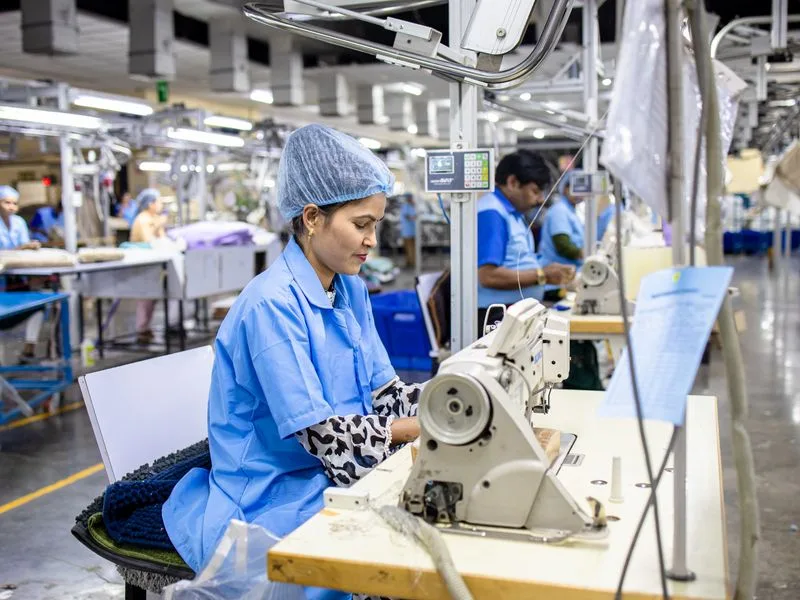
Move from formula-led fabric estimation to connected BOM, purchase, issue, and stock visibility.
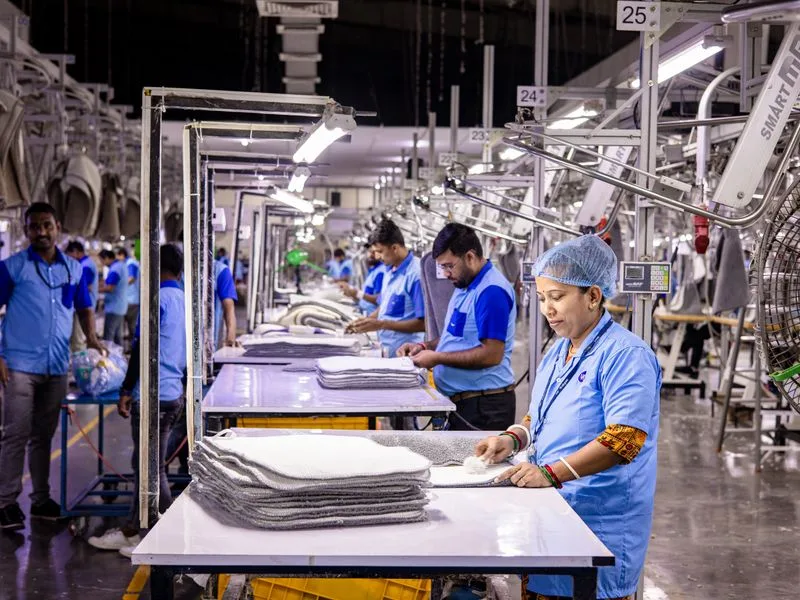
Track cutting, stitching, finishing, quality, packing, and dispatch against actual order status.
Decision threshold
If buyer commitments, raw material, shop-floor output, payroll, and dispatch depend on many separate files, the factory is already carrying hidden operational risk.
Migration plan
Identify operational spreadsheets used for orders, stock, production, quality, payroll, dispatch, and costing.
Standardize items, buyers, suppliers, styles, sizes, colors, ledgers, departments, and user roles.
Map cutting, stitching, finishing, job work, inspection, packing, and dispatch around your real process.
Compare ERP outputs against known sheets for a short period, then remove spreadsheet dependency in live operations.
ERP replacement strategy
Start with the workflows where delays cost the most: material planning, WIP tracking, quality, payroll, dispatch, and costing.